Key takeaways
- Heritage and tourism are central to the Vision: the number of UNESCO-listed Saudi sites has gone from four in 2016 to eight in 2025.
- AlUla and Diriyah are two heritage destinations, one rooted in ancient desert civilisations and one in the story of the Saudi state.
- Umrah pilgrims from abroad rose from 6.2 million in 2016 to 18.03 million in 2025, ahead of the interim 2025 target.
- Official pages give overall visit counts that are dated or program-specific, so we quote them with care.
When most people picture Vision 2030, they imagine skylines and megaprojects. But a big part of the plan looks backwards. Saudi Arabia is investing in the preservation and presentation of its heritage, partly for pride and partly to build a tourism economy. Two places show the idea clearly: AlUla, a desert valley of ancient civilisations, and Diriyah, the birthplace of the Saudi state.
Why heritage sits inside an economic plan
The original Vision 2030 document set a goal of at least doubling the number of Saudi sites on the UNESCO World Heritage List, from four to eight, and of raising the number of Umrah visitors from 8 million to 30 million each year. Heritage and pilgrimage were treated as part of both the ‘vibrant society’ pillar and the ‘thriving economy’ pillar. The official scorecard now shows that the UNESCO goal has been met: eight Saudi sites were listed in 2025, up from four in 2016. One caution: the Quality of Life Program page still refers to seven sites, which shows how quickly this number can change. We use the figure on the official KPI page.
AlUla: a living museum in the desert
The official AlUla page describes the area as a living museum of sandstone outcrops, historic developments and preserved tombs. It is home to Hegra, a city of the Nabataeans, which the page identifies as the Kingdom’s first UNESCO World Heritage site. The page speaks of more than 200,000 years of largely underexplored history, including the ancient kingdoms of Dadan and Lihyan and AlUla Old Town.
Development is led by the Royal Commission for AlUla, which the page says is committed to a sustainable and responsible approach, with initiatives across archaeology, tourism, culture, education and the arts. The famous rock formations are just one part of the story. The deeper idea is that a place can be opened to visitors without losing the character that made it special.
Diriyah: where the Saudi story begins
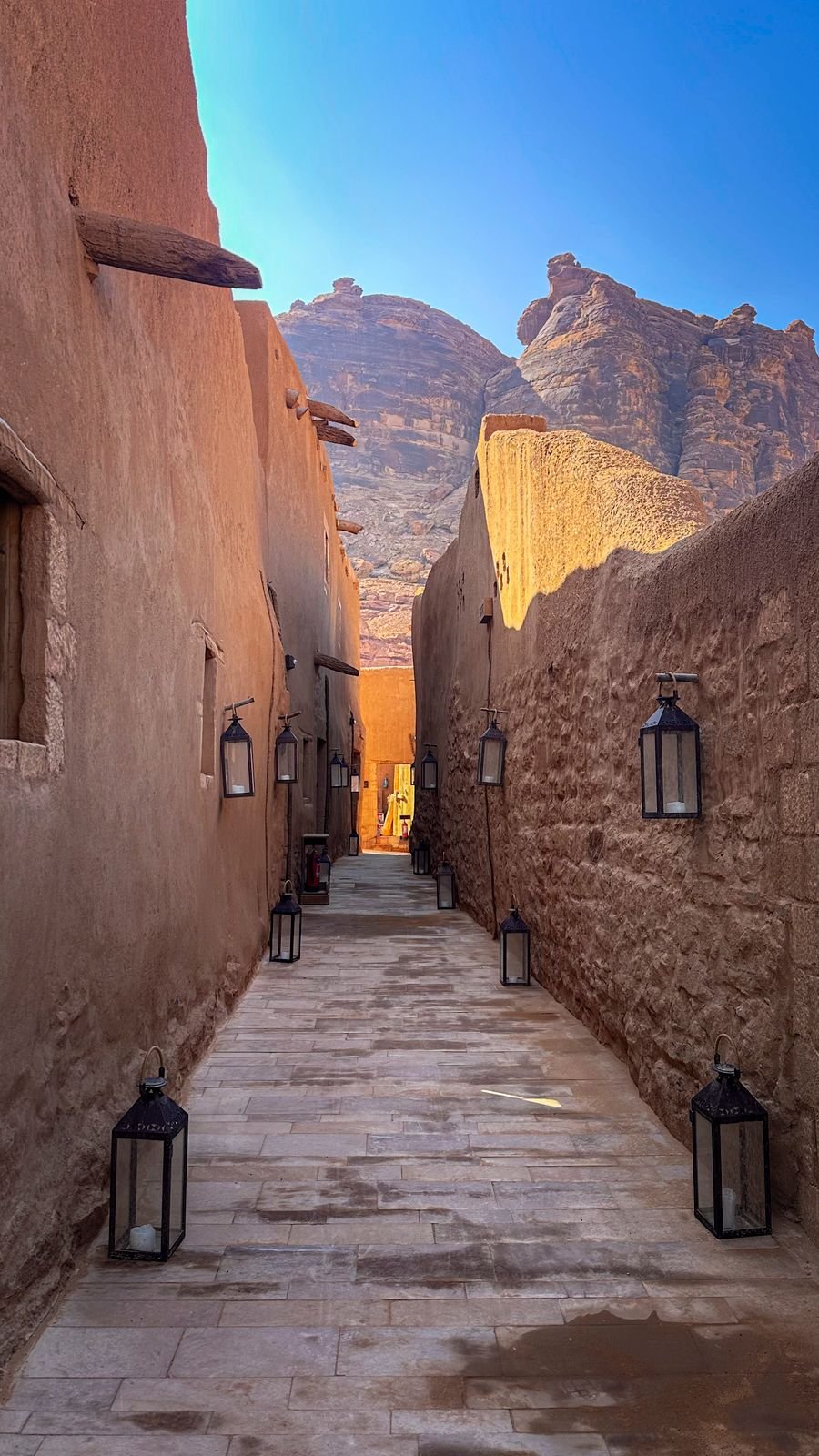
The official Diriyah page describes more than 600 years of Najdi culture and history, centred on the At-Turaif UNESCO World Heritage Site. At-Turaif is a mud-brick city that was the birthplace of the Kingdom and the original home of the House of Al Saud. The wider development, which the page puts at $62.2 billion, adds museums, residences, parks and walkable streets next to the preserved heritage district. The page says the new city is designed to be one hundred per cent walkable.
For visitors, Diriyah is a way to understand how traditional Najdi architecture shaped the region. For planners, it is a test of whether a heritage site can become a living, working neighbourhood.
Pilgrimage and the growth of visitor travel
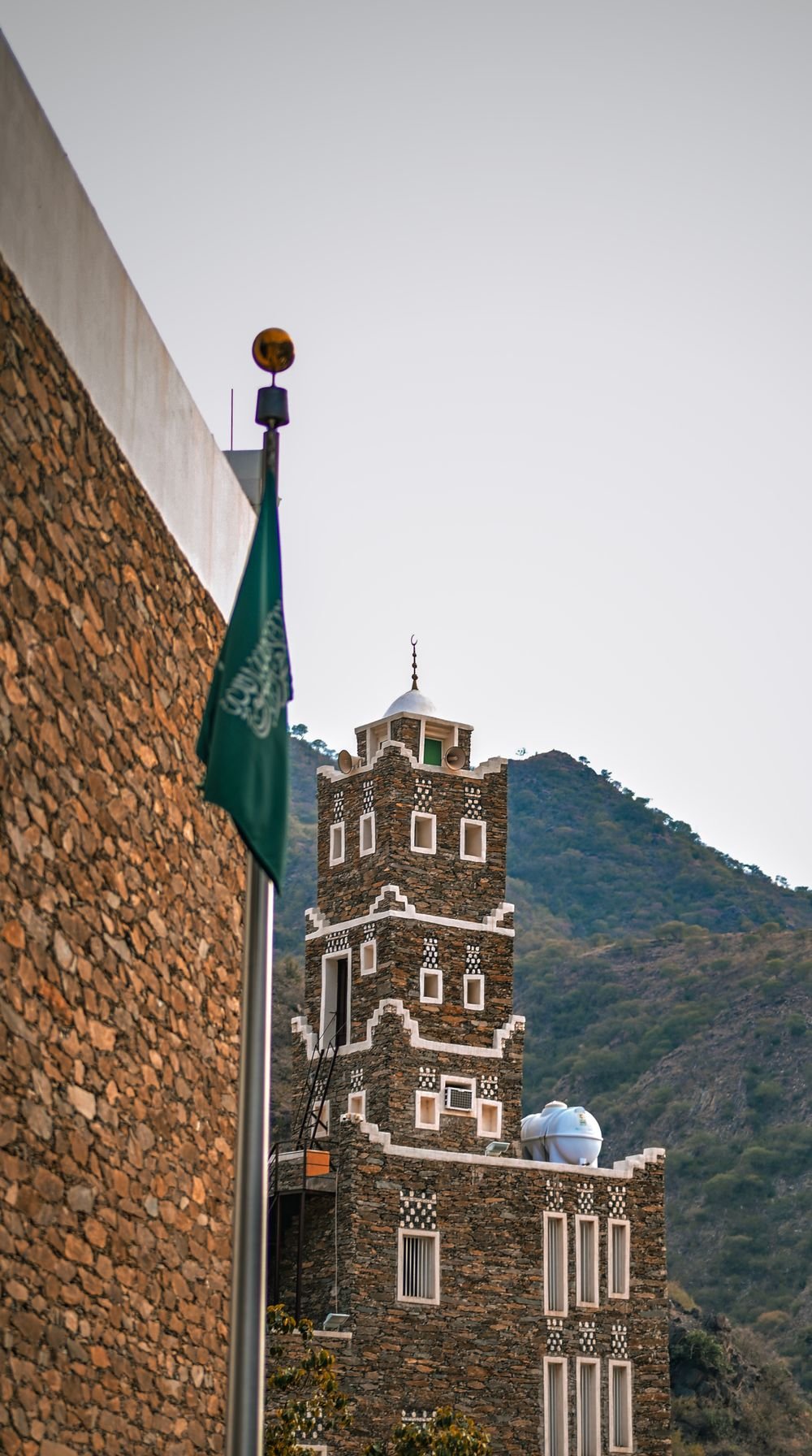
Vision 2030 also invests in the journey of pilgrims. The Pilgrim Experience Program, launched in 2019, aims at better services for Hajj and Umrah visitors, including e-visas and the Haramain high-speed train linking Jeddah Airport with the holy sites. On the scorecard, Umrah pilgrims from outside the Kingdom rose from 6.2 million in 2016 to 18.03 million in 2025, beating the interim 2025 target of 15 million, and heading toward the 2030 target of 30 million.
For leisure tourism, the story is newer. The Quality of Life Program page notes that a tourist visa was launched in 2019, and states that more than 94 million visits have been recorded since then. We quote that line as the program’s own statement rather than a current national total, because the page does not give a date for the figure and statistics change over time. New destinations such as The Red Sea, which welcomed its first guests in 2023, are part of the same push.
Preservation beyond the headline destinations
The official projects directory also lists efforts such as the Jeddah Historic District and a project to develop historic mosques, which show that heritage work is not limited to the best-known sites. For readers interested in the economic side, our post on economic diversification explains how tourism fits into the plan, and the giga-projects explainer looks at the larger developments.
What to watch
- Visitor numbers. Look for dated figures from official statistics bodies, and note the year.
- Conservation. Heritage tourism depends on protecting what visitors come to see.
- Local benefit. The stated objectives of Diriyah and The Red Sea include jobs and improved living standards for local communities.
Heritage may be the most durable part of Vision 2030. Buildings can be rebuilt in a decade, but 200,000 years of history cannot be replaced, which is why the way it is managed matters so much.
Further reading
- AlUla (official)
- Diriyah (official)
- Pilgrim Experience Program (official)
- Quality of Life Program (official)
- Key performance indicators (official)
Independent information site. This website is not an official government site and is not affiliated with, endorsed by or connected to the Government of Saudi Arabia or any official Vision 2030 office. Figures are summarised from the official sources linked on the page. Always check those sources for the latest data.