Key takeaways
- Five giga-projects sit under the Public Investment Fund Program: NEOM, ROSHN, The Red Sea, Qiddiya and Diriyah.
- They aim at different goals: new tourism destinations, entertainment, heritage, housing and new urban models.
- Official project pages describe long-term plans; timelines and scope can change, as recent news about NEOM shows.
- Always check the date on a project page and the latest announcements before relying on a number.
Some of the biggest names in Vision 2030 are not policies at all. They are places. The Public Investment Fund Program, one of the Vision Realization Programs, names five giga-projects: NEOM, ROSHN, The Red Sea, Qiddiya and Diriyah. This guide explains what each one is for, what the official pages say about it, and where plans have shifted.
What makes a project a giga-project?
There is no strict technical definition, but the label is used for very large developments backed by the Public Investment Fund, usually combining construction, tourism or residential goals with new sectors of the economy. They are meant to create jobs, attract investment and show new ways of building and living. They are also long-term bets. That is why the best way to read them is by objectives and milestones rather than by single headline numbers.
NEOM
The official NEOM page says NEOM was launched in 2017 and is led by the Public Investment Fund. It is described as a region in the north-west of the Kingdom, powered by 100% renewable energy, and it includes THE LINE, Oxagon, Trojena, Sindalah and Magna. The page gives 468 kilometres of coastline.
What the parts are
- THE LINE was launched in 2021 as a linear city that conserves 95% of its land as a nature reserve.
- Oxagon, launched in 2021, is a planned industrial city and port on the Red Sea coast, which the official page says carries 13% of world trade.
- Trojena, launched in 2022, is a planned mountain tourism destination.
- Sindalah, also launched in 2022, is a planned island destination for yachting.
A project in motion
NEOM is also the clearest example of why dates matter. News outlets reported in 2025 and 2026 that the scale of THE LINE was under review and being reduced, and that the 2029 Asian Winter Games planned for Trojena were postponed. The postponement was announced jointly by the Olympic Council of Asia and the Saudi Olympic and Paralympic Committee on 25 January 2026, and reported by AGBI. The reporting on THE LINE, such as this Euronews summary, relies partly on unnamed sources, and the Public Investment Fund has not formally confirmed the details. Treat the official project pages as statements of intent, and check recent announcements.
The Red Sea
The Red Sea project covers about 28,000 square kilometres of the west coast, including an archipelago of more than 90 islands and a barrier reef. It describes itself as a luxury and regenerative tourism destination. The official page says it welcomed its first guests in 2023, that 11 hotels with 1,439 rooms are now open, and that by 2030 it plans 8,000 rooms in 50 hotels plus 1,000 residential properties. It sets objectives of around 70,000 jobs by 2030 and a $5.9 billion annual contribution to the economy from 2030.
Qiddiya
Qiddiya was launched in 2018 and is planned as an entertainment, sports and culture destination near Riyadh. The official page describes the idea as the power of play, and lists sub-projects such as a Six Flags theme park, a water park, a motorsport track, a stadium named for Prince Mohammed bin Salman, and a gaming and esports district. It points to the Kingdom’s young population as the main audience, with the page stating that 67% of Saudis are under 35.
Diriyah
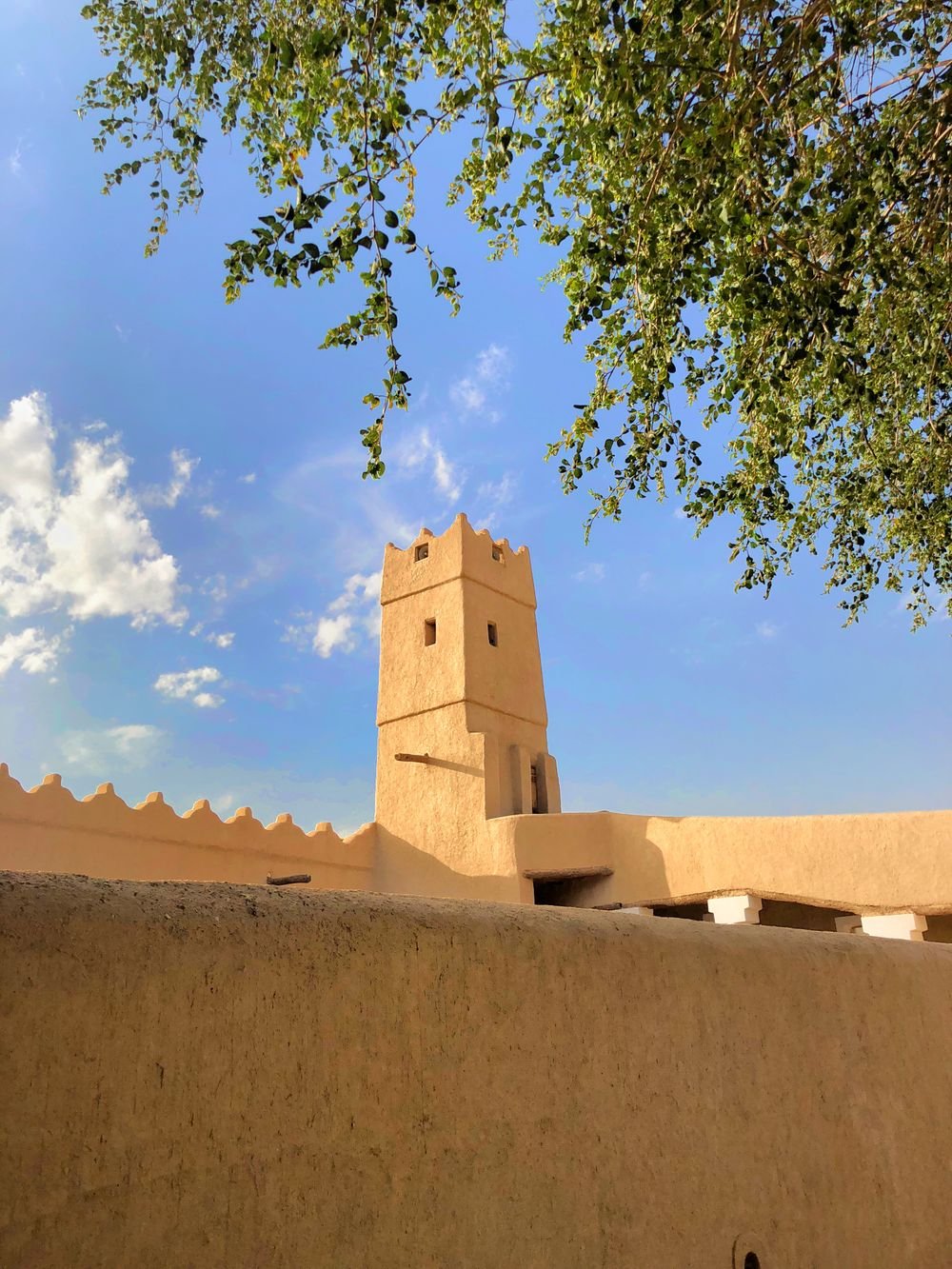
Diriyah may be the most heritage-focused giga-project. The official page says it sits about 15 minutes north-west of Riyadh and is home to the At-Turaif UNESCO World Heritage Site, a mud-brick city that was the birthplace of the Kingdom. The development is described as a $62.2 billion project that combines traditional Najdi architecture with modern urban planning. It lists more than 20,000 residential units, an expected 100,000 residents, and sub-projects including the At-Turaif district, Wadi Hanifah, Bujairi Terrace, King Salman Square, King Salman University and a museum of the House of Al Saud. Our post on tourism and heritage looks at Diriyah and AlUla together.
ROSHN
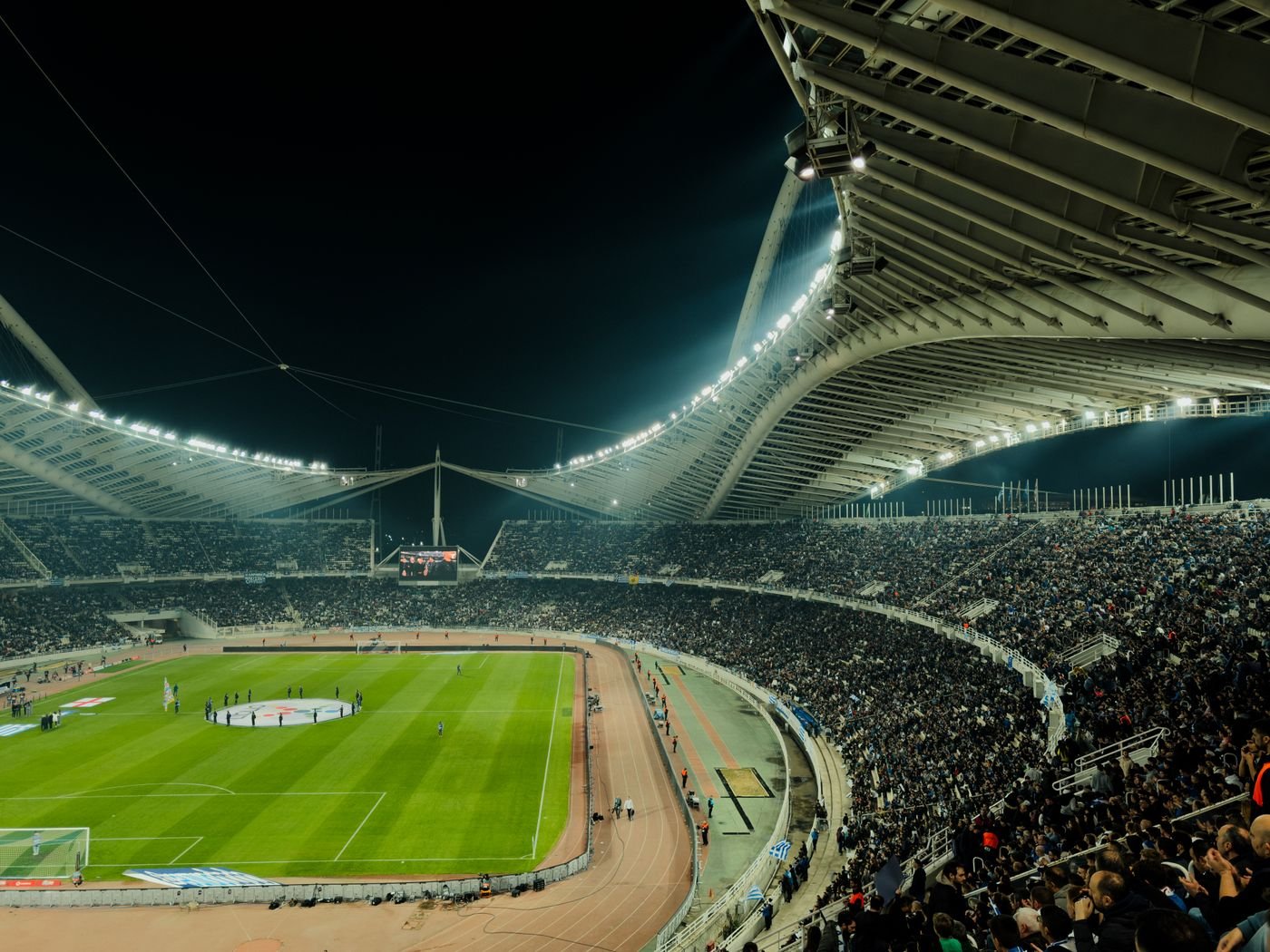
ROSHN is a Public Investment Fund subsidiary that develops integrated residential communities. The official page links its work to the Kingdom’s goal of 70% home ownership by 2030, and describes mixed-use neighbourhoods with schools, healthcare, mosques and green public space. It is also building Roshn Stadium in Riyadh and Aramco Stadium in Al Khobar, both set to host matches in the 2034 FIFA World Cup, which FIFA awarded to Saudi Arabia in December 2024.
How to follow the projects
Giga-projects are best followed through three lenses. Ask what the stated objective is, what has been delivered so far, and what the latest official statement says. For example, on the Red Sea, hotels are open and the airport is operating, so a first phase is visible. For other projects, the official pages describe designs and goals that are still developing. Our programs and initiatives page keeps a running summary, and the post on the Public Investment Fund explains how these projects fit into the wider economic strategy.
Further reading
- Public Investment Fund Program (official)
- NEOM (official)
- The Red Sea (official)
- Qiddiya (official)
- Diriyah (official)
- ROSHN (official)
Independent information site. This website is not an official government site and is not affiliated with, endorsed by or connected to the Government of Saudi Arabia or any official Vision 2030 office. Figures are summarised from the official sources linked on the page. Always check those sources for the latest data.