
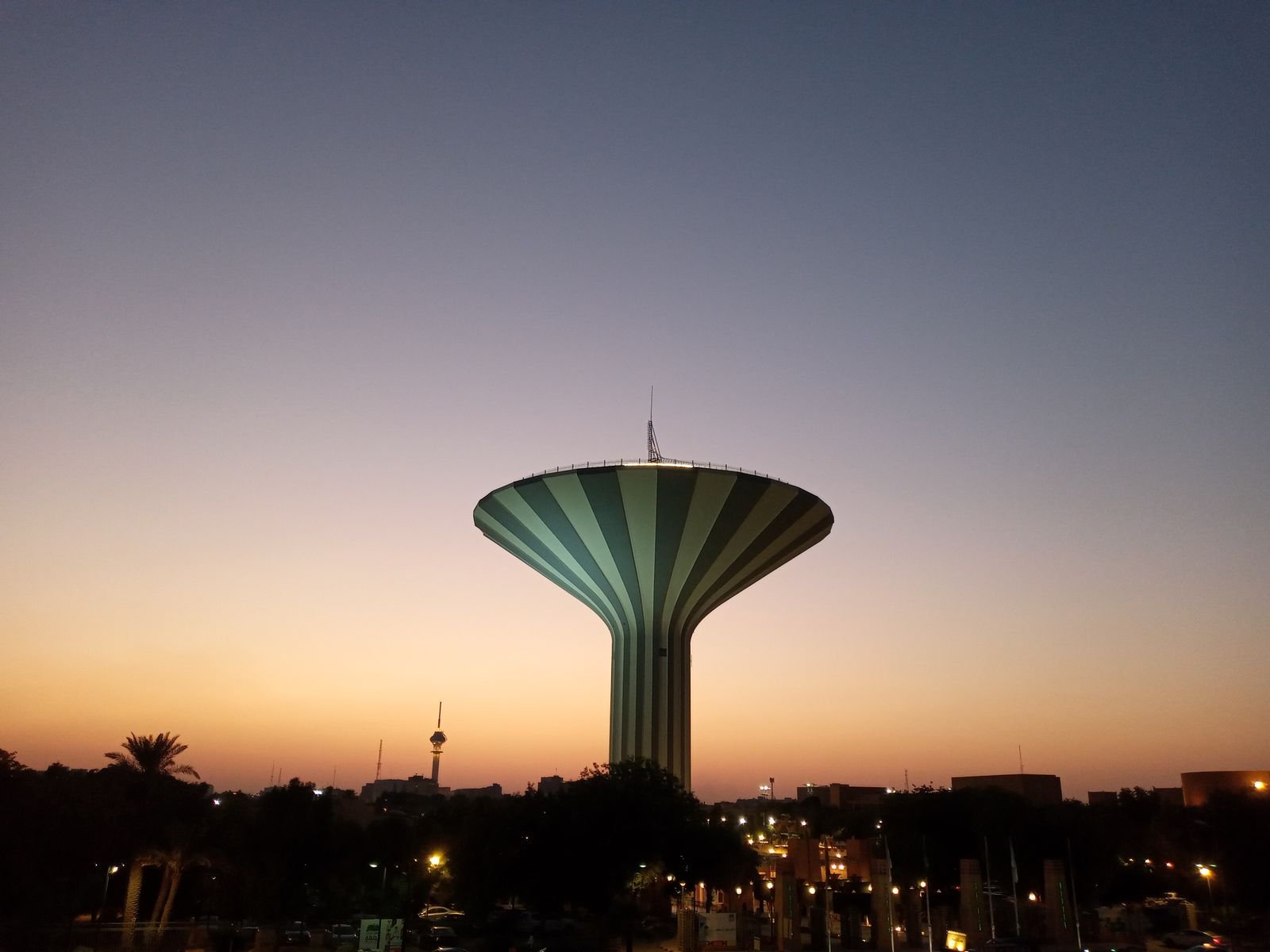
The Three Pillars
How Vision 2030 organises its goals: a vibrant society, a thriving economy and an ambitious nation.
A Vibrant Society
A fulfilling life built on strong roots.
The first pillar is about the kind of place people want to live. Officially it rests on three ideas: living by Islamic values, taking pride in national identity, and enjoying a good life in a healthy, attractive environment.
Identity and heritage. The strategic objectives include fostering values of moderation, excellence and perseverance, strengthening national belonging, protecting Islamic, Arab and national heritage, and upholding the Arabic language. Heritage is also treated as an economic asset: the number of Saudi sites on the UNESCO World Heritage List has risen from four in 2016 to eight in 2025, the official target for 2030.
Health and wellbeing. The objectives call for easier access to healthcare, better value from health services and stronger prevention, along with more people taking part in sport. On the scorecard, average life expectancy rose from 77.6 years in 2016 to 79.7 in 2024, against a 2030 target of 80, and the healthcare quality index rose from 48% in 2022 to 70.4% in 2025.
Livable cities, culture and home ownership. Objectives also cover better city services and landscapes, new entertainment options, more Saudi contribution to arts and culture, and helping families own homes. The Housing Program reports that home ownership increased from 47% to more than 66.24% by the end of 2025, with 70% targeted for 2030.
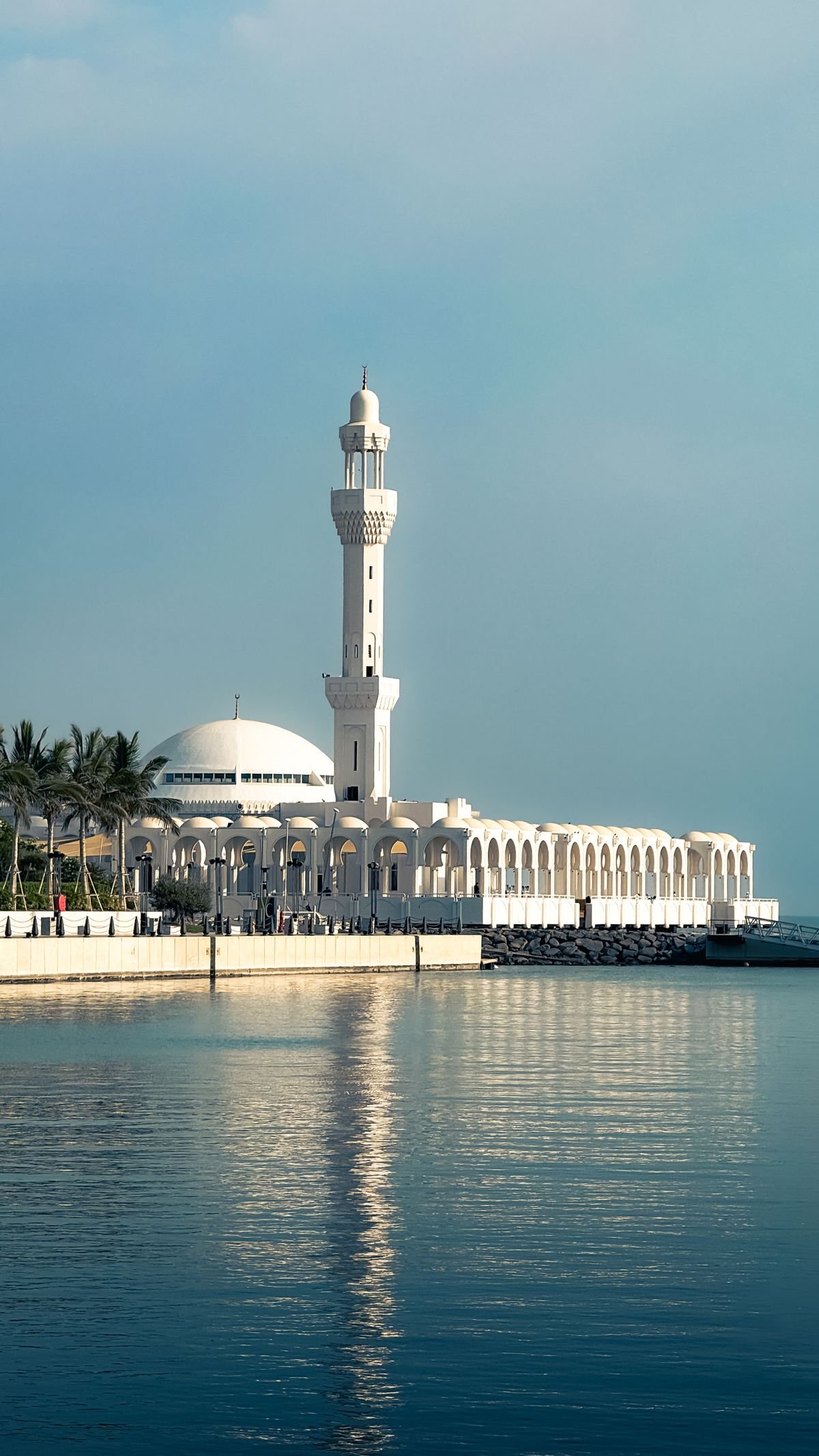
Examples of related programs
- Quality of Life Program: culture, entertainment, sport and tourism, launched in 2018.
- Housing Program: the Sakani and Ejar services for buyers and renters.
- Pilgrim Experience Program: services for Hajj and Umrah visitors.

A Thriving Economy
Opportunities for everyone, in sectors beyond oil.
The second pillar tackles the economy from both sides: the jobs people need and the businesses that create them. Officially it combines education aligned with the job market, support for small and medium enterprises, a more attractive investment climate and the growth of new sectors.
Growing the private sector. The objectives include raising the private sector’s contribution to the economy, making business easier, privatizing selected services and building an advanced capital market. The scorecard shows the private sector’s contribution to GDP rising from 44% in 2016 to 51% in 2025, against a 2030 target of 65%.
New sectors and the Public Investment Fund. The Public Investment Fund is described as a growth engine: growing its assets, unlocking new sectors, and building partnerships. Real non-oil GDP rose from US$598 billion in 2016 to US$892 billion in 2025, according to the scorecard.
People and skills. Objectives cover lifelong learning, vocational training, women’s participation, employment of people with disabilities and nurturing entrepreneurship. The number of employees in small and medium enterprises grew from 4.77 million in 2020 to 8.88 million in 2025, per the scorecard.
The pillar also has a global dimension: becoming a logistics hub, integrating with regional and global economies, and growing non-oil exports.
Examples of related programs
- Public Investment Fund Program: launched 2017, aimed at growing assets and unlocking new sectors.
- National Industrial Development and Logistics Program: industry, mining, energy and logistics.
- Human Capability Development Program: skills and education, launched 2021.
An Ambitious Nation
Government that performs, and a society that shares the load.
The third pillar is about how the country is run. The official description stresses efficiency and accountability at every level, and a government that is effective, transparent, accountable, empowering and high-performing.
Government effectiveness. Strategic objectives include a balanced public budget, a leaner government structure, higher productivity, a developed e-government and effective engagement with citizens. On the scorecard, the United Nations E-Government Development Index ranking improved from 36th in 2014 to 6th in 2024, against a 2030 target of fifth.
Protecting vital resources. Objectives include development and food security and sustainable use of water resources.
Shared responsibility. The pillar asks more of citizens, companies and charities as well. Objectives cover financial planning, volunteering, corporate social responsibility and a bigger non-profit sector. The scorecard’s volunteer count rose from 22.9 thousand in 2015 to 1.749 million in 2025, well above its 2030 target of one million.

Examples of related programs
- National Transformation Program: the first program, launched in 2016, covering digital services and the non-profit sector.
- Fiscal Sustainability Program: completed its plan in February 2025.
- Privatization Program: concluded at the end of 2025.
Photos are illustrative stock images; see Image Credits. Figures are as stated on the official KPI page and the official Vision 2030 overview.
Independent information site. This website is not an official government site and is not affiliated with, endorsed by or connected to the Government of Saudi Arabia or any official Vision 2030 office. Figures are summarised from the official sources linked on the page. Always check those sources for the latest data.