Key takeaways
- The Saudi Green Initiative, launched in 2021, has three targets: cutting emissions, planting trees and protecting land and sea.
- The Kingdom’s stated ambition is net zero emissions by 2060, using what it calls a Circular Carbon Economy approach.
- Renewable energy is growing: the Sakaka solar plant and a wider pipeline are the visible examples.
- The official scorecard shows the environmental ranking is still far from target, so the green story is unfinished.
A country known for oil is also trying to become known for clean energy and tree planting. That might seem like a contradiction, but it is built into Vision 2030, which lists the growth of renewables in the national energy mix among its strategic objectives. This guide explains the main initiatives, what the official pages claim, and what the scorecard says about the distance still to travel.
The Saudi Green Initiative
The Saudi Green Initiative was launched in 2021. The official page calls it a whole-of-society effort that brings together sustainability work across the country. It supports the Kingdom’s ambition to reach net zero emissions by 2060 through an approach it calls the Circular Carbon Economy, and it sets three headline targets.
- Emissions: reduce carbon emissions by 278 million tonnes a year by 2030.
- Trees: plant 10 billion trees over the coming decades, which the page equates to rehabilitating 40 million hectares of land.
- Land and sea: protect 30% of the Kingdom’s land and sea by 2030.
The page also says that 77 initiatives matching these targets have been activated, representing an investment of more than $186 billion. That figure is the initiative’s own statement, and the page was last updated in July 2024, so it is worth checking for newer numbers.
Renewable energy
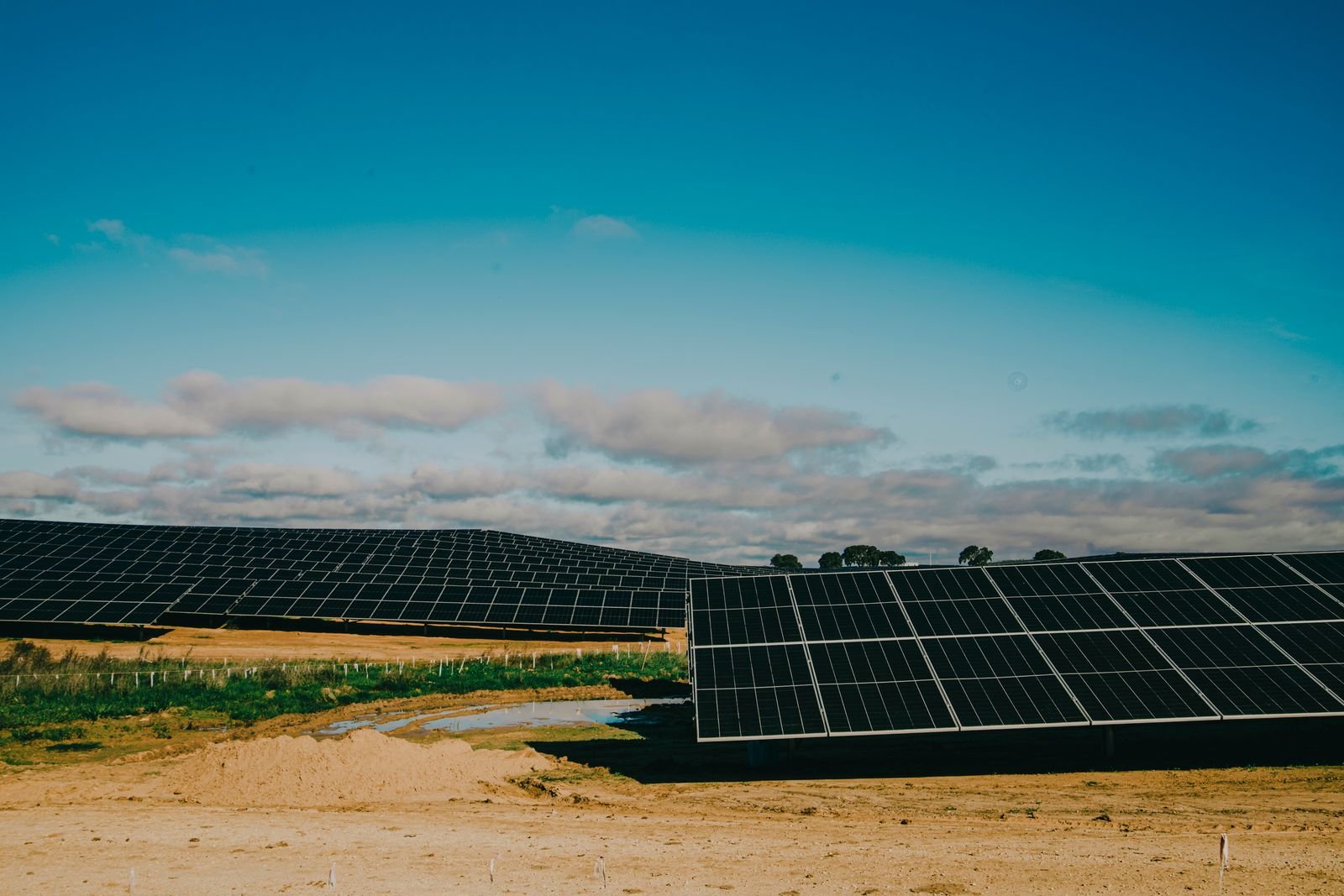
The clearest example of change in the energy mix is solar power. The Sakaka Solar Power Plant in Al Jouf was inaugurated in 2021 and is described as the first plant under the Custodian of the Two Holy Mosques Renewable Energy Initiative, led by the Ministry of Energy. The official page says it has more than 1.2 million solar panels across six square kilometres and reports a levelized cost of energy of just $0.023 per kilowatt-hour, which it calls a record for the industry.
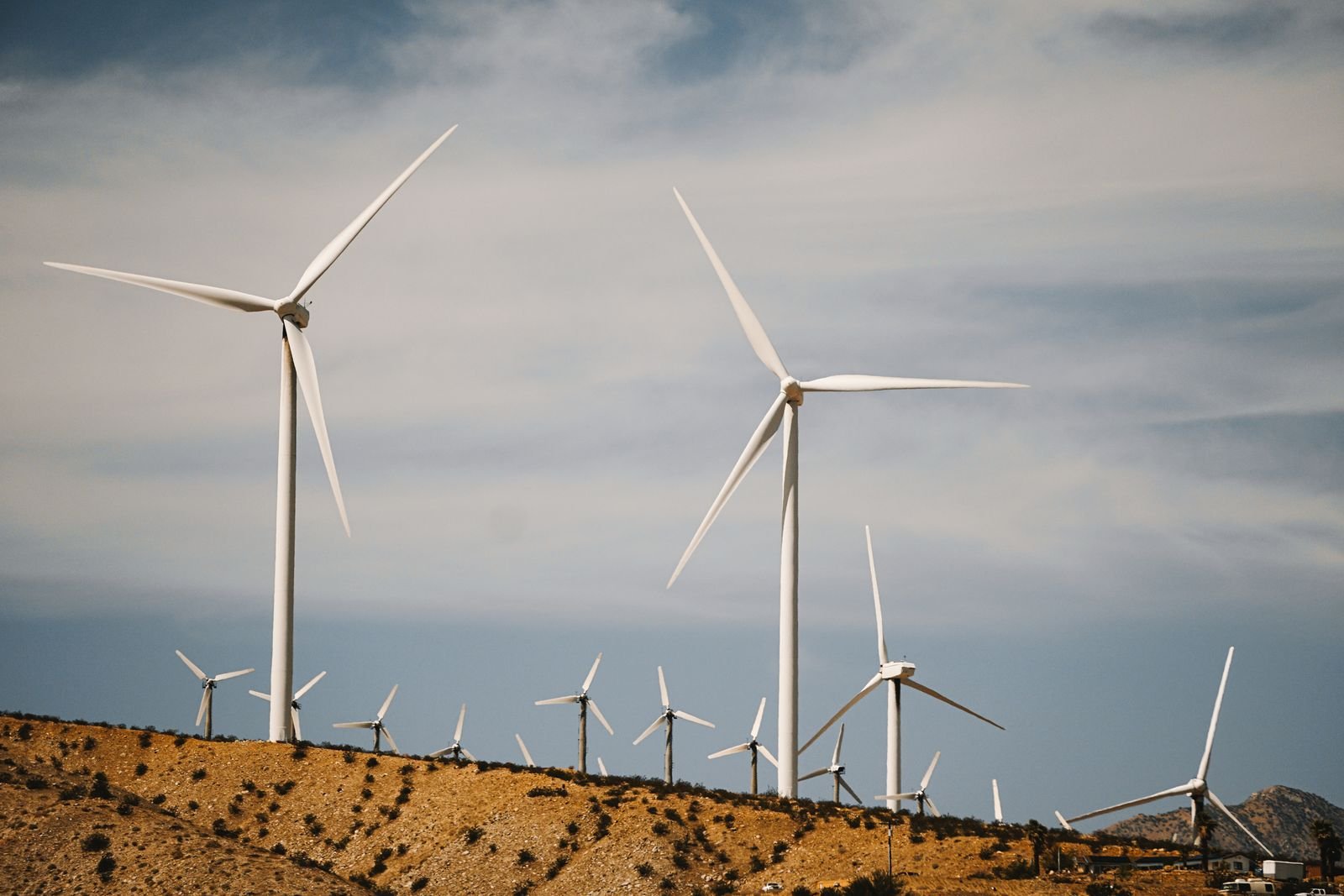
The National Industrial Development and Logistics Program frames renewables more broadly. It says the Kingdom is investing heavily in wind and solar to promote a clean energy and low-carbon future, in support of the net zero goal for 2060.
Greener cities: Green Riyadh
Not every green project is about energy. Green Riyadh, launched in 2019, plans to plant 7.5 million trees across the capital by 2030, in neighbourhood gardens, parks, mosques, schools, universities, healthcare facilities and along streets. The aim is to make Riyadh one of the top 100 most livable cities in the world. The page expects benefits including better air quality, lower temperatures and the use of treated wastewater for irrigation. See our vibrant society pillar for how this links to quality of life.
A regional effort: the Middle East Green Initiative
The Middle East Green Initiative was inaugurated in 2021 as a regional alliance. Its official targets are to reduce emissions by 670 million tonnes of carbon dioxide equivalent, plant 50 billion trees across the region, and restore 200 million hectares of degraded land. The page says its governance framework was agreed in October 2022 and that a secretariat is planned for Riyadh. As with other long-range goals, the useful questions are who funds it, who measures it and when results will be reported.
How far is the distance still to go?
The official scorecard includes an Environmental Performance Index ranking. In 2016 the baseline was 95th. In 2024 the ranking was 108th, against an interim target of 70th and a 2030 target of 20th. In other words, on this particular index, the ranking moved the wrong way. The index measures many things beyond tree planting and renewable energy, and its methodology changes, so it is not a perfect verdict on any single initiative. It is still a useful reminder that targets, announcements and measured results are three different things.
Why renewables were part of the plan from the start
The original 2016 Vision 2030 document already pointed to the Kingdom’s impressive natural potential for solar and wind power, and expected local energy consumption to increase threefold by 2030. It also noted that a competitive renewable energy market was still missing. The official list of strategic objectives later made the point explicit, with a goal to grow the contribution of renewables to the national energy mix. The green initiatives of 2021 can therefore be read as a continuation of a theme that has been in the plan since the beginning, rather than a new direction.
Questions worth asking
- What is the baseline? A target is only meaningful against a starting point.
- Who verifies the numbers? Look for independent monitoring as well as program statements.
- What is the time frame? Tree planting is measured in decades, while emissions targets are due by 2030.
Green policy is also tied to the economy. For the bigger picture on how clean energy fits with diversification, see our economic diversification guide, and for the projects built around sustainability, read about the giga-projects.
Further reading
- Saudi Green Initiative (official)
- Middle East Green Initiative (official)
- Green Riyadh (official)
- Sakaka Solar Power Plant (official)
- Key performance indicators (official)
Independent information site. This website is not an official government site and is not affiliated with, endorsed by or connected to the Government of Saudi Arabia or any official Vision 2030 office. Figures are summarised from the official sources linked on the page. Always check those sources for the latest data.